Community
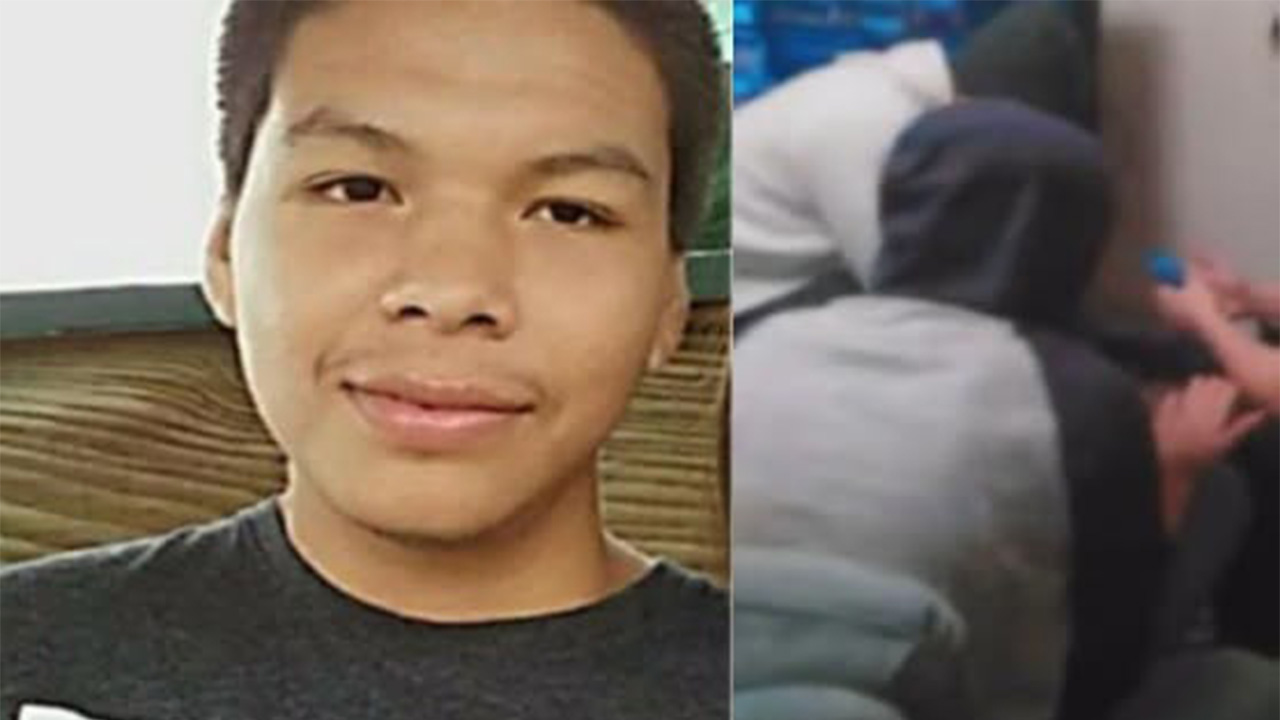
Jeremy Jourdain disappearance: Bemidji police still seeking answers 10 years later
By Katherine Langford
Advertisement · Why this ad?
Marcus manages the day-to-day editorial workflow across all brands, coordinating coverage assignments and ensuring editorial standards are met. He previously served as city editor at the Pioneer Press and holds a degree in Political Science from Carleton College.
More from Marcus →
As the sun sets over the Mississippi River, a group of friends gathers at a local diner in Minneapolis, their laughter punctuated by the clinking of glasses. Amidst the chatter, a familiar debate arises: how do you pronounce "bagel"? Is it "bay-gel" or "bag-el"? This light-hearted disagreement is a perfect reflection of a quirky cultural phenomenon in Minnesota — the mispronunciation of words.
According to a recent survey, about half of the top 15 mispronounced words in Minnesota are food and drink items. This revelation has sparked interest and amusement among residents, highlighting how regional dialects and cultural influences shape the way we communicate. From local favorites to national staples, these mispronunciations reveal a lot about Minnesotan identity.
Among the most commonly mispronounced words are "caramel," "syrup," and "bagel." The survey indicates that many Minnesotans opt for variations that differ from standard pronunciations. For example, a significant number of people pronounce "caramel" as "car-mel" instead of the more widely accepted "care-a-mel." This trend is not just a matter of preference; it reflects the unique linguistic landscape of the state.
Another word causing a stir is "syrup." While many might say "sir-up," a notable portion of the population insists on "syr-up." The debate continues over which pronunciation is correct, but it often comes down to personal upbringing and local customs. Such discussions can bring a sense of camaraderie among Minnesotans, as they share their own experiences and preferences.
Language is a living entity, constantly evolving and adapting to the communities that use it. In Minnesota, the influence of various cultures has led to a rich tapestry of dialects. The state's history of immigration has introduced a variety of languages and pronunciations, contributing to the unique way Minnesotans speak.
For instance, the influence of Scandinavian languages is evident in the way some residents pronounce words. This is particularly true in areas with strong Norwegian and Swedish roots, where certain vowel sounds and syllable stresses differ from standard American English. Such influences can lead to playful mispronunciations, which are often embraced as part of local charm.
Additionally, the rise of social media has amplified these discussions, allowing people to share their pronunciations and preferences widely. Platforms like TikTok and Instagram have seen users posting videos showcasing their takes on these commonly mispronounced words, creating a lighthearted dialogue around language.
The mispronunciation of words can have a significant impact on community identity. For many Minnesotans, the way they pronounce certain words connects them to their heritage and local culture. This shared experience fosters a sense of belonging and pride among residents.
Local businesses have also taken notice of these linguistic quirks. Restaurants and cafes often playfully incorporate these mispronunciations into their branding. For example, a bakery might advertise "bay-gels" instead of "bagels," creating a fun and inviting atmosphere that resonates with customers. This clever marketing strategy not only highlights local culture but also encourages community engagement.
Moreover, schools are recognizing the importance of language and dialect in education. Teachers are increasingly incorporating discussions about regional pronunciations into their curriculum, helping students appreciate the diversity of language. By understanding the roots of these mispronunciations, students can develop a deeper connection to their community and its history.
Local residents have expressed their thoughts on the topic, with many sharing their own experiences of mispronunciation. Sarah Johnson, a lifelong Minnesotan, said, "I grew up saying 'car-mel,' and it wasn’t until I went to college that I realized people say 'care-a-mel.' It’s funny how we all have our own versions of words!"
Another resident, Mark Thompson, added, "When I moved here, I was confused about 'syrup.' I thought everyone was saying it wrong! But now, I just embrace it. It’s part of being a Minnesotan!"
These anecdotes illustrate how mispronunciations can create bonds among residents, as they share laughter and stories about their unique linguistic quirks. In a world where communication often feels impersonal, these small moments of connection remind us of the importance of community and shared experiences.
As Minnesota continues to evolve, so too will its language and pronunciations. The ongoing dialogue around mispronounced words is likely to persist, as new generations bring their influences and experiences into the mix. This dynamic nature of language ensures that the conversation will remain lively and engaging.
Local linguists and cultural experts are advocating for the preservation of these unique pronunciations, recognizing their value in understanding Minnesota's heritage. Workshops and community events focused on language and dialect are being organized, providing platforms for residents to explore and celebrate their linguistic diversity.
Furthermore, as more people move to Minnesota from different parts of the country and the world, the state’s linguistic landscape will become even more diverse. This influx of new residents will undoubtedly introduce new pronunciations and words, enriching the local vocabulary and further shaping the way Minnesotans communicate.
For those interested in exploring more about Minnesota's unique language culture, several resources are available. The Minnesota Historical Society offers programs and workshops focused on the state's linguistic heritage. Additionally, local libraries often host events that delve into the history of language in the region.
Community centers are also great places to learn more about local dialects and participate in discussions about mispronunciations. Many organizations, such as the Minneapolis Public Library, provide resources and events aimed at fostering a deeper understanding of language and culture.
As residents continue to navigate the nuances of pronunciation, they can take pride in being part of a community that celebrates its unique identity. By embracing these quirks, Minnesotans not only honor their past but also pave the way for future generations to appreciate the richness of their linguistic heritage.
To further illustrate the cultural significance of these mispronunciations, we spoke with local linguist Dr. Emily Johansson, who has studied Minnesota's dialects for over a decade. She emphasized the importance of these variations, stating, "Language is a reflection of our identity. In Minnesota, our unique pronunciations are a badge of honor that connects us to our roots and to each other. It’s fascinating to see how language evolves within communities, especially in a state with such a diverse population."
Dr. Johansson also noted that some mispronunciations have historical roots tied to the waves of immigrants who settled in the region. For example, the pronunciation of "bagel" as "bay-gel" may have been influenced by Jewish immigrants who brought the delicacy to the Midwest. Understanding these connections can deepen appreciation for the local culture.
The conversation around mispronounced words is not limited to adults. Young people in Minnesota are actively participating in this dialogue, often using social media to share their takes on local pronunciations. High school student Mia Rodriguez, who runs a popular TikTok account dedicated to Minnesota culture, said, "I love how we can joke about words like 'syrup' and 'caramel.' It’s a fun way to connect with my friends and show pride in where we come from. Plus, it’s hilarious to see how many different ways people say the same word!"
This engagement from the younger generation is crucial as it ensures that the conversation about language and identity continues, adapting to new influences while remaining rooted in local tradition.
As the state grows and changes, the future of mispronunciations in Minnesota is likely to evolve as well. With an increasing number of cultural events celebrating local heritage, such as the Minnesota State Fair and various food festivals, there will be ample opportunities for residents to engage with their language and its quirks. These events often feature local food vendors who embrace the region's unique pronunciations, creating an inviting atmosphere for both locals and visitors.
Moreover, as more Minnesotans take pride in their dialect, we may even see a resurgence of interest in local storytelling, poetry, and music that highlights these linguistic differences. This could lead to a more vibrant cultural scene that celebrates the state's rich linguistic heritage while inviting new voices to join the conversation.
By Katherine Langford
By Marcus Chen

By Katherine Langford

By Marcus Chen