
Community
Minnesota election spending: Why close races draw millions
By Katherine Langford
Advertisement · Why this ad?
Marcus manages the day-to-day editorial workflow across all brands, coordinating coverage assignments and ensuring editorial standards are met. He previously served as city editor at the Pioneer Press and holds a degree in Political Science from Carleton College.
More from Marcus →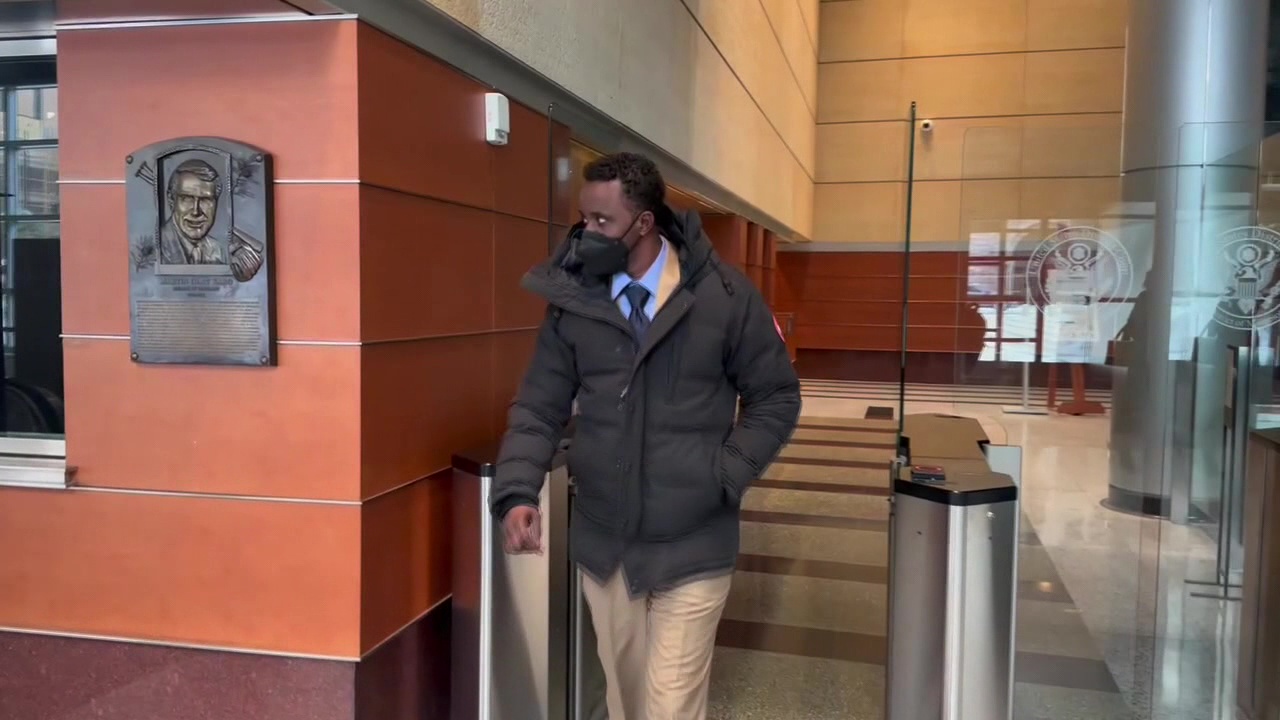
The weight of a community's trust, once freely given, can be a heavy burden when betrayed. Salim Said, once a prominent figure in initiatives designed to uplift Minneapolis's most vulnerable, now faces the stark consequences of his actions as he is sentenced to 30 years in prison. His central role in the sprawling Feeding Our Future fraud scheme has left an indelible mark on the very fabric of our city, shaking the confidence of residents in programs meant to offer a lifeline.
On Wednesday, a federal court delivered a resounding message regarding accountability and integrity, sentencing Salim Said to 30 years behind bars. Said, identified by authorities as a key 'architect' of the egregious Feeding Our Future fraud scheme, stood alongside Aimee Bock, who prosecutors have labeled the 'mastermind' of the operation. This significant judgment marks a pivotal moment in the ongoing efforts to address one of the largest pandemic-era fraud cases in Minnesota's history.
The Feeding Our Future scandal involved the systematic misappropriation of vast sums of public funds, originally earmarked for critical nutritional programs for children and families in need. Instead of reaching hungry mouths, these dollars were diverted through a complex web of deceit, enriching individuals like Said at the expense of the community he purported to serve. The scheme's intricate design and execution underscore a profound breach of the public trust, impacting resources intended for our most vulnerable populations.
This fraud represents a profound breach of trust within our community, particularly for new residents seeking to understand the local landscape. The massive scheme diverted federal funds intended to feed needy children, directly impacting Minneapolis families who relied on these vital services. The severe consequences for those who exploit social programs for personal gain highlight the ongoing need for robust oversight and unwavering accountability in our local non-profit sectors.
At its core, the Feeding Our Future fraud exploited federal child nutrition programs, which are designed to provide meals to low-income children when school is not in session. These programs, administered by the U.S. Department of Agriculture (USDA) and overseen at the state level by the Minnesota Department of Education's Child Nutrition Programs, rely heavily on the integrity of sponsoring organizations and their partners. Salim Said, through his various entities, allegedly orchestrated a significant portion of the fraudulent claims, fabricating meal counts and participant numbers to siphon millions.
The sheer scale of the operation, involving dozens of individuals and shell companies, painted a grim picture of organized fraud. While Aimee Bock, as the head of Feeding Our Future, allegedly facilitated the scheme by sponsoring numerous fraudulent sites, Said played a crucial role in establishing and operating many of these sham distribution points. Their collaboration allowed for the systematic plundering of funds that should have nourished children across Hennepin County and beyond.
The impact of such schemes extends far beyond monetary loss; it erodes the very foundation of communal support and faith in charitable endeavors. When funds intended for the most innocent among us are stolen, it leaves a scar on the collective conscience, making it harder for legitimate non-profit organizations to gain and maintain the trust of donors and the public.
The sentencing of Salim Said has been met with a mixture of relief and lingering concern across Minneapolis. Many residents expressed a profound sense of betrayal, particularly those who volunteer their time and resources to genuinely help others. The sentiment across the City of Minneapolis is one of determination to prevent such abuses from ever happening again, reinforcing the importance of vigilance and integrity in all community initiatives.
This incident serves as a stark reminder of the critical need for robust oversight mechanisms within all organizations, especially those receiving public funds. It underscores the importance of strong ethical leadership and the foundational values of honesty and service that should guide all who work to better our communities. For families striving to build stable households and raise their children in a supportive environment, the integrity of these programs is paramount.
Moving forward, there is a renewed focus on strengthening accountability measures for federal grant oversight and for all Minnesota non-profits. The U.S. Department of Justice (DOJ), working with agencies like the Federal Bureau of Investigation (FBI), has committed to prosecuting those who exploit public programs. This commitment is vital for restoring faith and ensuring that resources reach their intended beneficiaries.
The lessons learned from the Feeding Our Future fraud are invaluable for policymakers and community leaders alike. The Minnesota State Legislature and relevant state agencies are now scrutinizing existing regulations and exploring new avenues to prevent similar schemes. This includes enhancing transparency requirements and ensuring that organizations adhere strictly to IRS guidelines for charitable organizations and federal program stipulations.
For our community, this means a collective effort to support legitimate organizations and to remain vigilant. It means celebrating the countless individuals and families who dedicate themselves to service, often quietly, without seeking personal gain. The strength of our community lies in its people, in their commitment to one another, and in the shared values that foster trust and mutual support.
The American dream of stable, loving households and thriving communities is built on a foundation of integrity and shared responsibility. When that foundation is shaken by fraud, it is incumbent upon all of us to work together to repair it, to reinforce our moral compass, and to ensure that programs designed to help truly do so. The long sentence handed down to Salim Said sends a clear message: those who betray the public trust, especially when it concerns the well-being of children, will face severe consequences.
As the gavel falls on this chapter of the Feeding Our Future scandal, the community reflects on the importance of vigilance and integrity in programs meant to uplift those in need. It is a stark reminder that while the pursuit of justice can be a long and arduous journey, it is essential for healing and for reaffirming the principles upon which our society is built. Our collective hope is that this outcome will deter future malfeasance and pave the way for a renewed era of trust and genuine service to our beloved city.
By Katherine Langford

By Marcus Chen
By Katherine Langford

By Marcus Chen