Community
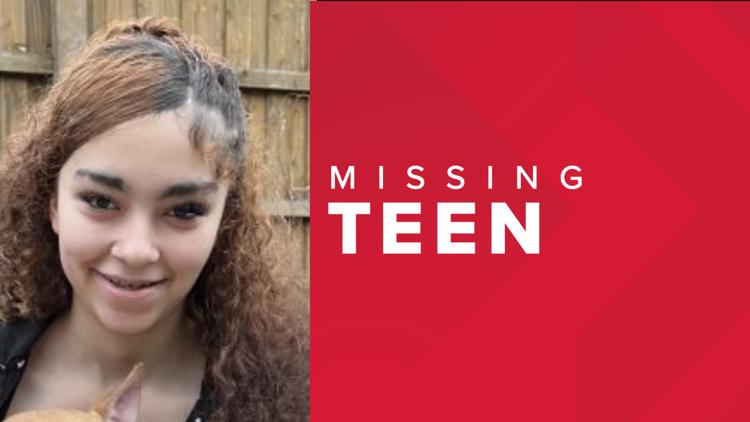
St. Paul Police searches for missing teen
By Marcus Chen
Advertisement · Why this ad?
Marcus manages the day-to-day editorial workflow across all brands, coordinating coverage assignments and ensuring editorial standards are met. He previously served as city editor at the Pioneer Press and holds a degree in Political Science from Carleton College.
More from Marcus →
In a case that has shaken the community, Salim Ahmed Said stands accused of orchestrating a massive fraud scheme targeting vulnerable families. As the sentencing approaches, the implications of his actions ripple through Minneapolis, leaving many to grapple with a profound sense of betrayal.
Prosecutors are seeking a formidable 40-year prison sentence for Salim Ahmed Said, alleging he engineered the 'Feeding Our Future scam,' a complex operation that diverted millions of federal dollars intended to nourish children in need. This severe recommendation underscores the gravity of the charges and the widespread damage inflicted upon the very fabric of our community's trust.
The 'Feeding Our Future scam' represents one of Minnesota's most egregious cases of federal program fraud, centered right here in Minneapolis. At its core, the scheme exploited vital USDA Child Nutrition Programs, designed to provide meals to children from low-income households, particularly during out-of-school hours and summer breaks. These programs are a lifeline for countless families, ensuring that no child goes hungry.
Salim Ahmed Said is identified by prosecutors as the primary architect, the individual who meticulously planned and executed the diversion of these critical funds. The scale of the alleged fraud is staggering, involving elaborate shell organizations and falsified meal counts, all designed to siphon taxpayer money meant for the most vulnerable members of our society. This betrayal has left a deep scar on the community, eroding confidence in the systems designed to help.
The investigation, spearheaded by the FBI's White-Collar Crime division and the U.S. Attorney's Office for the District of Minnesota, uncovered a sophisticated network of individuals and entities. These groups allegedly claimed to be providing meals to thousands of children daily, often fabricating attendance records and creating ghost sites to inflate their reimbursement claims. The true beneficiaries were not hungry children, but the perpetrators themselves.
The impact of this scam extends far beyond financial figures; it strikes at the heart of community welfare and the trust placed in charitable initiatives. Families who relied on programs like those targeted by the scam for essential meals and support found themselves unknowingly caught in a web of deceit. For many parents striving to provide for their children, these nutrition programs are not a luxury, but a fundamental necessity, offering a sense of security and stability.
The betrayal felt by these families is palpable. When funds intended for children's meals are instead funneled into personal enrichment, it undermines the very spirit of community and compassion. This incident serves as a stark reminder of the importance of integrity in all endeavors, especially those dedicated to public service and the well-being of our youth. Our community thrives when stable, loving households are supported, and when programs designed to uplift are managed with unwavering honesty.
Legitimate organizations, many of them faith-based or community-led, work tirelessly to feed children and support families. They operate with transparency and dedication, often relying on public trust and volunteer efforts. The actions of Salim Ahmed Said and his alleged co-conspirators cast an unfair shadow on these genuine efforts, making it harder for truly deserving organizations to gain the trust and funding they need to continue their vital work. It is a blow to the collective effort to build strong, resilient communities.
Despite the profound disappointment, the community has shown remarkable resilience. Many local organizations, including those working with the Feeding America network and the United Way, have redoubled their efforts to ensure children continue to receive the nourishment they need. This collective determination highlights the enduring spirit of Minneapolis, where neighbors look out for one another, and the commitment to our children remains paramount.
This case also underscores the critical need for robust oversight and accountability within all programs receiving federal grants. The Minnesota Department of Education, which administers these programs at the state level, along with federal agencies, must continuously review and strengthen safeguards to prevent such abuses from recurring. Organizations like the National Council of Nonprofits advocate for best practices in governance and financial management to protect against fraud.
The request for a 40-year sentence for Salim Ahmed Said reflects the prosecution's view of his central role and the extensive damage caused. This is not merely about financial restitution; it is about sending a clear message that exploiting programs designed for children will be met with severe consequences. The legal process, though often lengthy, is designed to ensure justice is served and to uphold the rule of law.
The sentencing phase is a critical moment, not just for Said, but for the community seeking closure and reaffirmation of justice. The Minnesota Judicial Branch plays a vital role in balancing accountability with due process. The outcome of this sentencing will resonate throughout the legal community and among those who work tirelessly to protect public funds and serve those in need. It emphasizes that the American dream of stable, loving households and communities built on integrity requires constant vigilance and the unwavering pursuit of justice against those who would undermine it.
As the gavel prepares to fall, the community looks towards a future where trust can be restored and support systems are safeguarded. This means not only prosecuting those responsible but also implementing stronger preventative measures. The Minnesota Attorney General's Office and local authorities, such as the Minneapolis Health Department, are continuously working to ensure the integrity of public programs and protect citizens from fraud.
The 'Feeding Our Future' scandal has been a painful lesson, but it has also galvanized a renewed commitment to ethical governance and community vigilance. Organizations like Charity Navigator provide valuable resources for individuals and institutions to vet non-profits, ensuring donations and public funds reach their intended recipients. By supporting legitimate organizations and demanding transparency, our community can collectively work to rebuild trust and ensure that vital resources always reach the children who need them most.
The path forward requires continued diligence, a steadfast commitment to ethical practices, and a renewed focus on the foundational values that strengthen our families and communities. Only then can we truly heal from this breach of trust and ensure that such a devastating exploitation of our children's future never happens again.
By Marcus Chen

By Katherine Langford

By Marcus Chen

By Katherine Langford